English
 English
 Español
 Tiếng Việt



Coating technology stands as a cornerstone in modern manufacturing and industrial sectors, with far-reaching impacts on product appearance, performance, and lifespan. From automotive manufacturing and aerospace to shipbuilding, architectural decoration, and furniture production, high-quality coating solutions have become a key competitive factor for enterprises. Amid a diverse range of coating equipment, powder spraying machines have emerged as the preferred choice for an increasing number of businesses, thanks to their unparalleled efficiency, environmental friendliness, and precision.
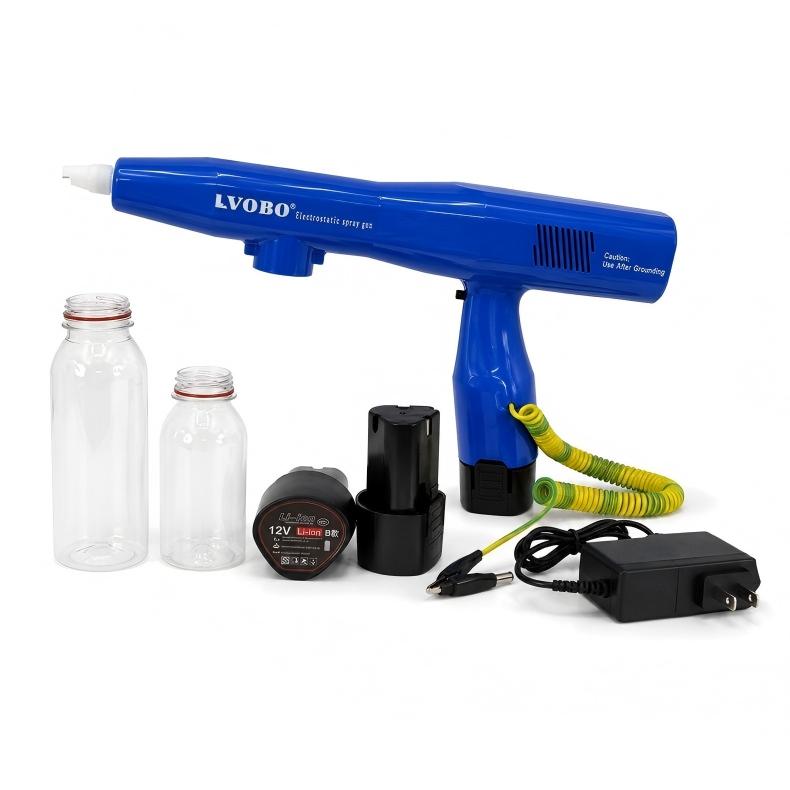
At the core of powder spraying machines lies the principle of electrostatic spraying. The equipment utilizes a powder spray gun to evenly dispense powder coating onto workpiece surfaces. When a high voltage (typically 10~20kv) is applied, the surrounding air is ionized to form a negative oxygen ion layer. These negative oxygen ions then combine with atomized powder particles to create a paint mist. Corona discharge—characterized by directional charge movement—occurs between the paint mist particles and the workpiece surface, enabling the powder particles to be uniformly adsorbed onto the workpiece. Notably, oxygen in the air participates in chemical reactions during this process, ultimately forming a stable and durable coating.
The growing popularity of powder spraying machines can be attributed to their four core advantages, which address the key pain points of traditional coating technologies:
1. High Efficiency & Energy Savings: Powder coatings boast an exceptionally high utilization rate, with almost no waste generated—significantly reducing production costs. Additionally, electrostatic adsorption technology ensures uniform paint distribution, further minimizing material waste and enhancing production efficiency.
2. Environmental Friendliness & Worker Safety: Unlike solvent-based coatings, powder coatings contain no solvents, meaning no volatile organic compounds (VOCs) are emitted during the spraying process. This not only complies with global environmental regulations but also eliminates the release of harmful gases, effectively safeguarding the health of operators.
3. Superior Coating Quality: Coatings formed by powder spraying exhibit high hardness and strength, with excellent wear and corrosion resistance. What’s more, the technology can easily meet the coating requirements of workpieces with complex shapes, ensuring consistent quality across all surfaces.
4. Strong Adaptability: Powder spraying machines are compatible with a wide range of materials, including various metals and non-metals. They are particularly effective for workpieces with complex structures or hard-to-reach areas, making them versatile across different industrial scenarios.
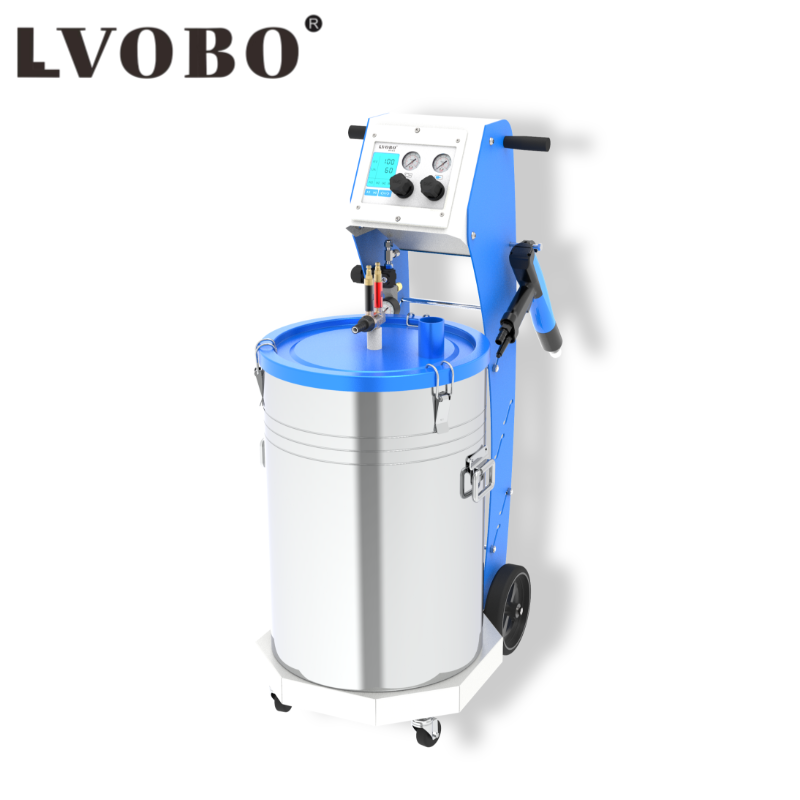
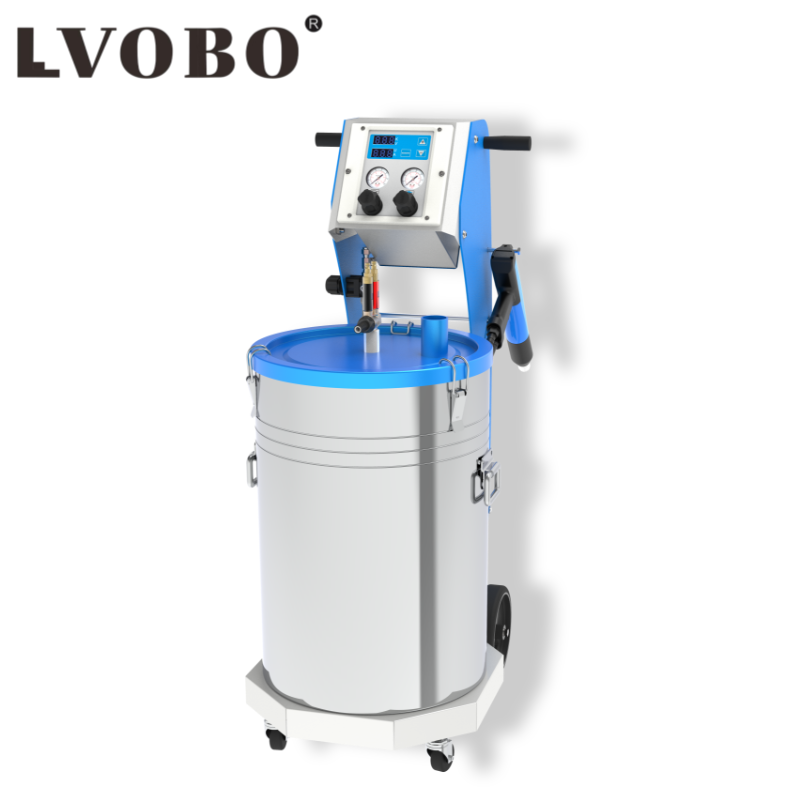
Based on operational mode and automation level, powder spraying machines are categorized into manual and fully automatic models. Manual spraying machines are ideal for small-batch, multi-variety production, offering flexibility for customized orders. In contrast, fully automatic spraying machines are designed for large-scale, high-efficiency production lines, enabling continuous operation and reducing labor costs.
The application scope of powder spraying machines spans numerous high-demand industries, driving innovation and quality improvement across sectors:
In automotive manufacturing, these machines are widely used for coating car bodies and components, significantly enhancing the corrosion resistance and aesthetic appeal of vehicles. In architectural decoration, they play a crucial role in coating metal doors and windows, aluminum alloy profiles, and other building materials, elevating both the overall quality and visual effect of structures. Beyond these, they are also indispensable in aerospace, shipbuilding, and furniture manufacturing, providing reliable coating solutions for critical components and end products.
The standard operation process of a powder spraying machine includes several key steps: preheating the equipment, inspecting the powder coating, adjusting voltage and air pressure, test spraying and color calibration, workpiece preparation and cleaning, electrostatic dust removal, formal spraying, monitoring spray gun distance and speed, and powder recycling. To ensure consistent performance and coating quality, regular inspection and maintenance of the equipment are essential. This includes cleaning the spray gun, replacing filters, and checking the power supply and air pressure systems—measures that extend the equipment’s lifespan and prevent production disruptions.
As global industries continue to prioritize environmental sustainability, efficiency, and product quality, powder spraying machines are set to play an even more prominent role in the future of coating technology. For enterprises looking to upgrade their coating processes and gain a competitive edge, investing in high-quality powder spraying equipment has become a strategic imperative.
 3rd Floor, Building 8, Licheng Science and Technology Innovation Center, No. 188 Taixin Street, Licheng District, Quanzhou City, Fujian Province, China
 Tel : +86 -13788824251
 Email : lvobo2026@gmail.com,Ivobo2088@gmail.com
 WhatsApp : +86 -13788824251


Our hours
Monday - Saturday: 8:00 AM - 6:00 PM
 IPv6 Network Supported