English
 English
 Español
 Tiếng Việt




Particle size is often treated as a fixed property of a powder.
In practice, the reported result also depends on the condition of the sample and the method used to measure it.
A powder that is agglomerated during dry handling may behave differently after liquid dispersion. Fine particles affected by static electricity may remain on a test sieve even when their physical dimensions would allow them to pass. Changing the sieving time, sample preparation, dispersion procedure, or measurement principle can also change the reported particle size distribution.
This is why two laboratories can test the same material and still obtain different results without either laboratory necessarily making a measurement error.
For quality-control and procurement engineers, the more useful question is not simply:
“What is the particle size?”
It is:
“Under what sample condition and test method was that particle size measured?”
Particle size results can change because the powder state and test conditions change. Agglomeration, dispersion, static electricity, wet or dry testing, sample preparation, test duration, and measurement principle can all affect the reported particle size distribution. Results should only be compared when the test method and sample conditions are controlled.
A recent application study published by Malvern Panalytical provides a useful example.
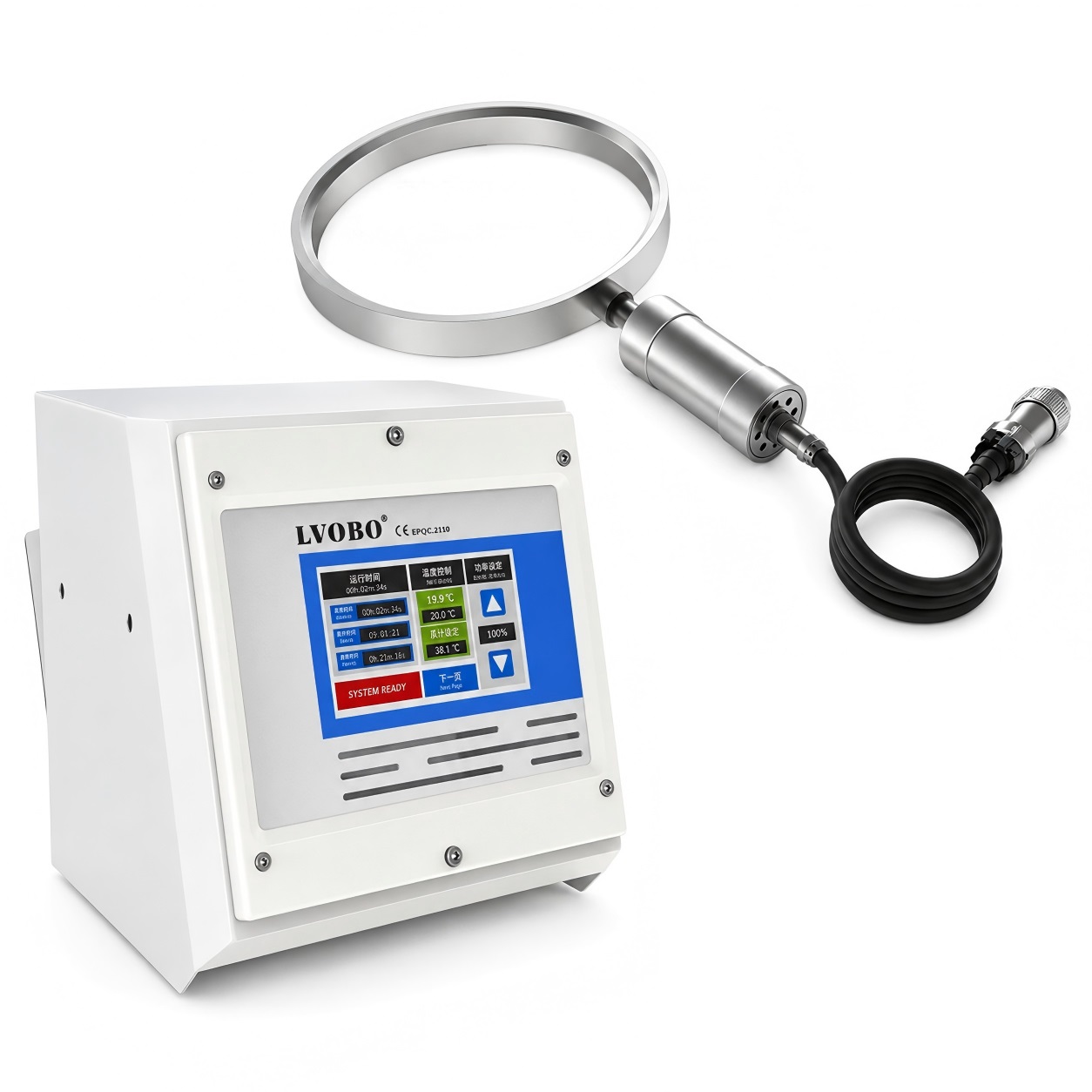
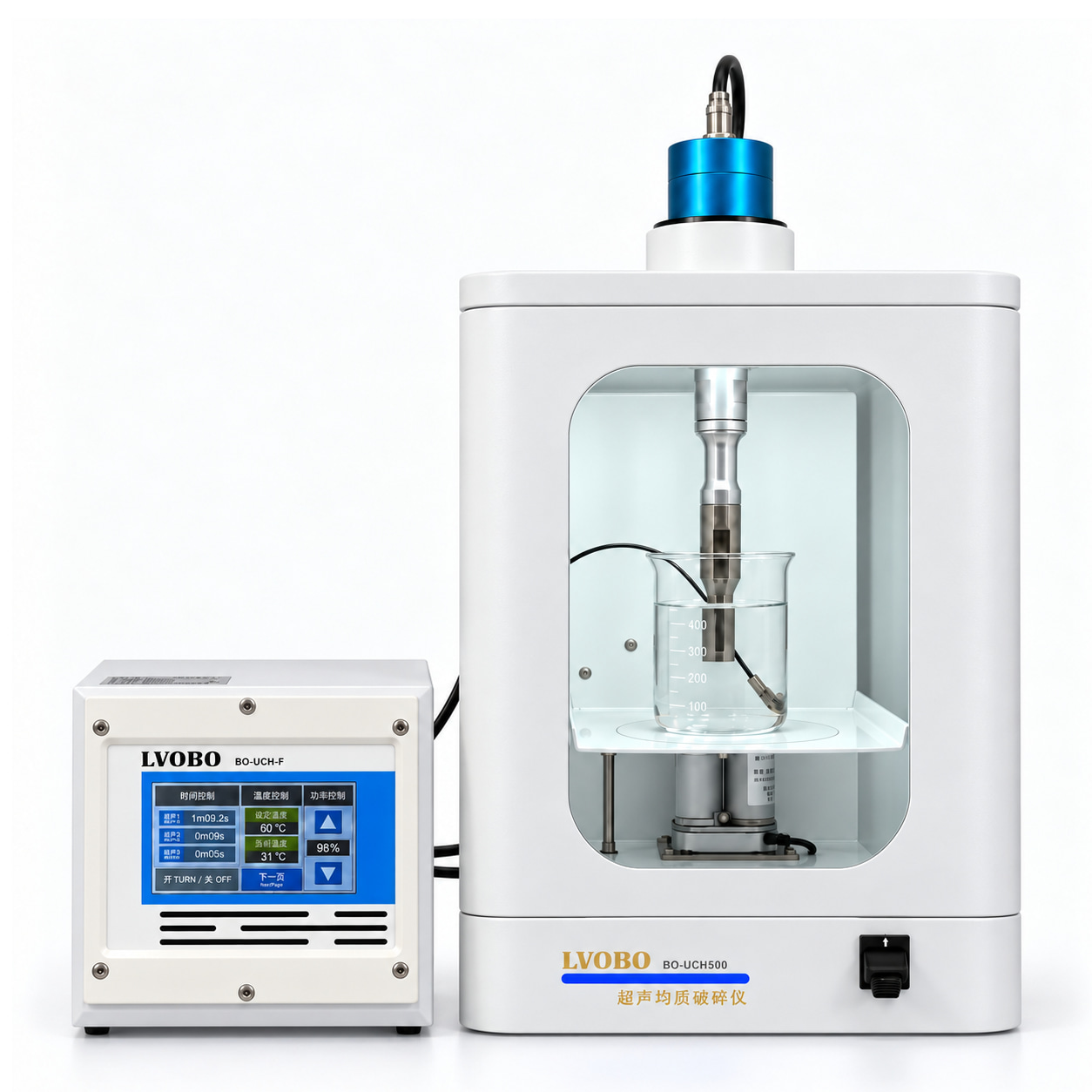
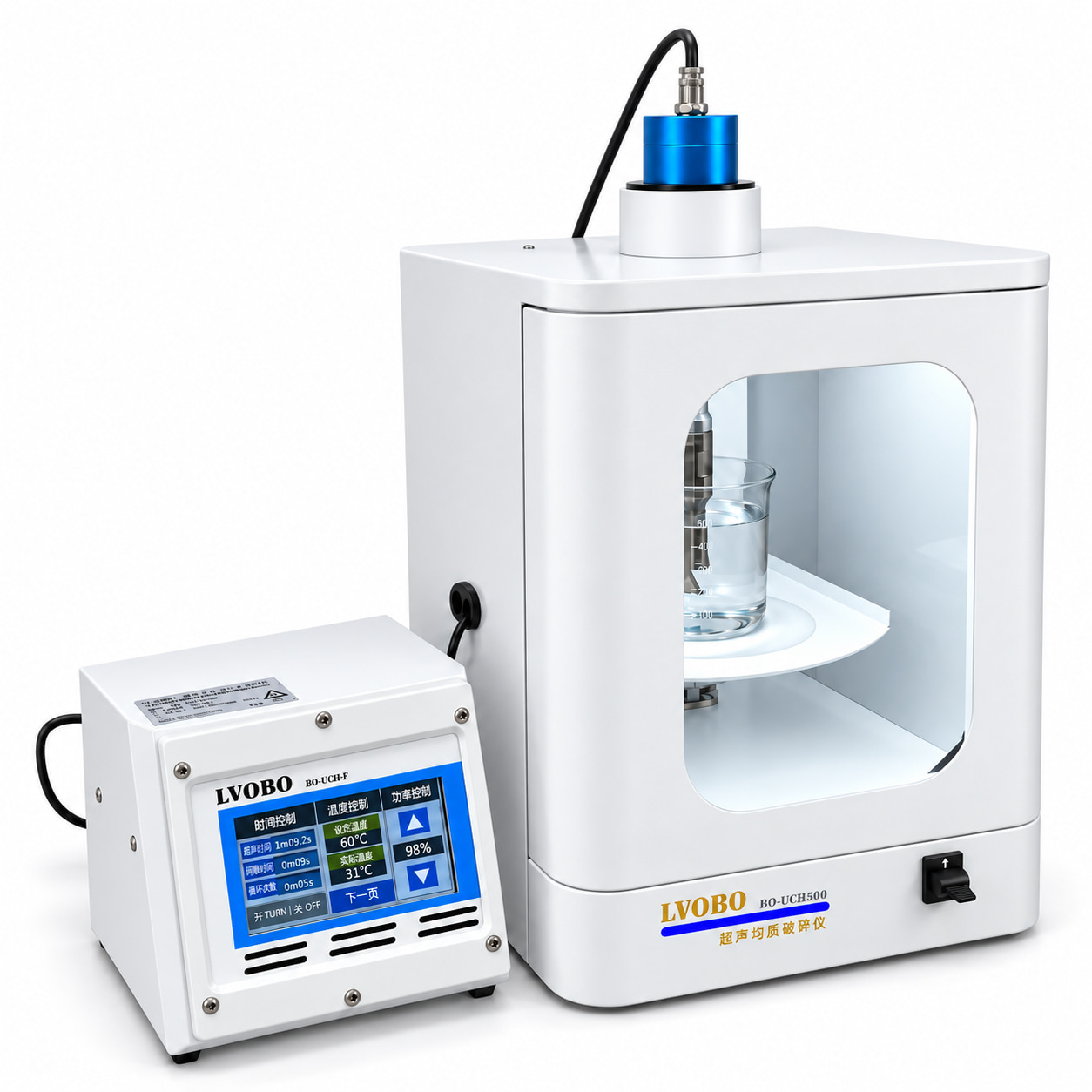
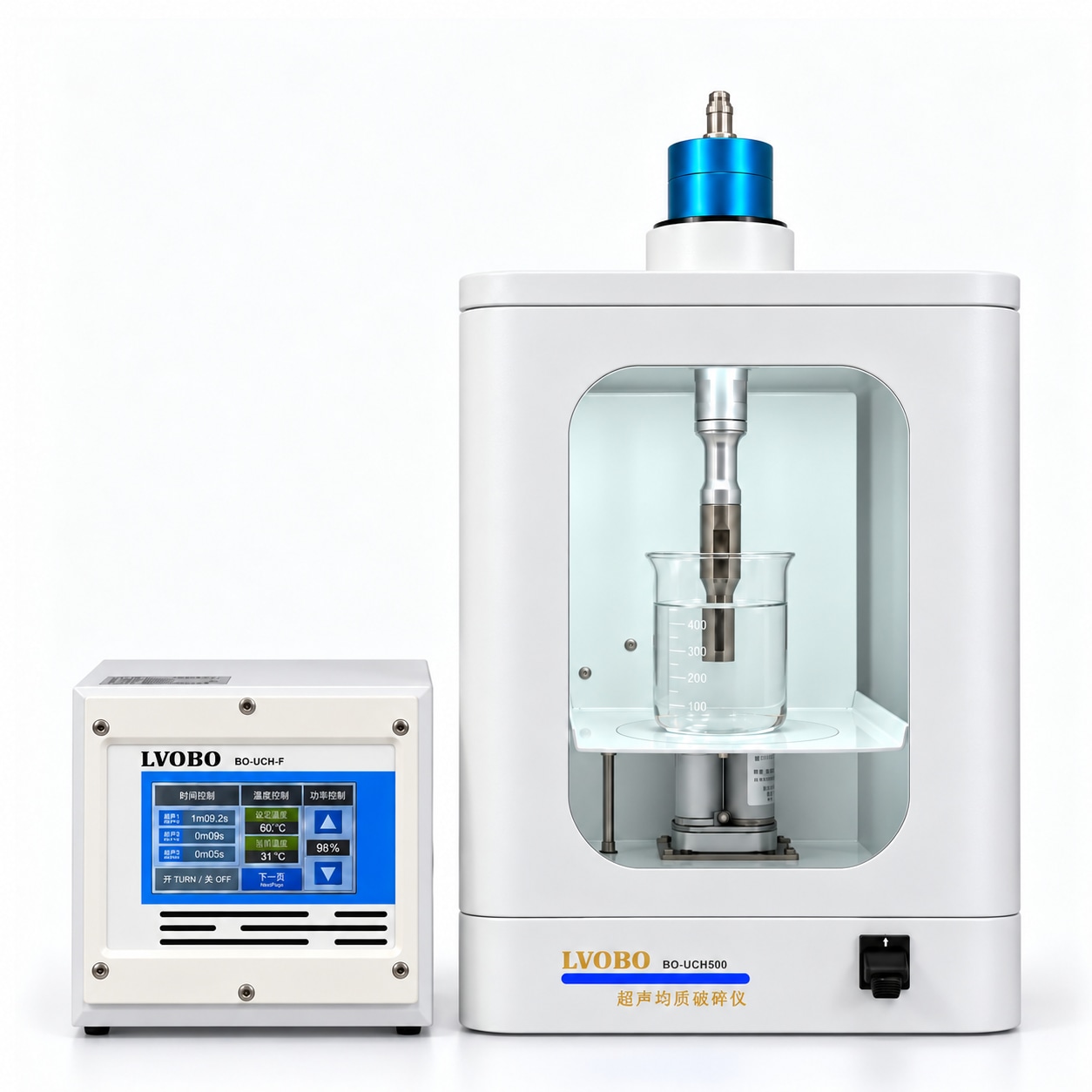
The study monitored alumina spray-dried granules during ultrasonic dispersion using time-resolved laser diffraction. Measurements were collected at short intervals while the sample was being dispersed.
As dispersion progressed, a coarser particle population decreased while a finer population became more pronounced.
The important point is not the individual particle-size values reported in that experiment.
It is that the measured particle size distribution changed while the physical state of the sample changed.
The instrument was not observing an entirely static particle population. It was observing a material undergoing dispersion.
This principle extends beyond laser diffraction.
In mechanical sieve analysis, agglomerates may break apart, electrostatic charge may retain fine particles, liquid may improve dispersion, and continued vibration may allow additional material to pass through the sieve.
Particle size data therefore cannot always be interpreted independently from the procedure that produced them.
Fine powders do not always behave as independent particles.
Moisture, electrostatic attraction, surface forces, material properties, and handling conditions can cause smaller particles to associate with one another.
When several fine particles form an agglomerate, a particle-size test may respond to the agglomerate rather than to the individual particles inside it.
This creates an important distinction.
A coarse fraction may contain particles that are genuinely large.
But it may also contain groups of smaller particles that have not been sufficiently dispersed.
In mechanical sieve analysis, an agglomerate can remain above a sieve opening even when its individual particles would be small enough to pass through.
In liquid-based particle size analysis, additional dispersion energy may break down some of these structures and shift the measured distribution toward smaller particle sizes.
Neither result should automatically be considered incorrect.
They may simply represent the same powder in different physical states.
For batch comparison or supplier qualification, the sample preparation method must therefore be controlled before numerical results are compared.
Dispersion is often treated as a preparation step that happens before particle size measurement.
For some materials, however, dispersion continues to modify the sample during the test itself.
Ultrasonic energy, liquid media, mixing conditions, and dispersion time may progressively break apart agglomerates.
This creates an important laboratory question:
At what point does dispersion reveal the particle state relevant to the application, and at what point does additional energy begin to alter the sample beyond that condition?
There is no single answer for every powder.
A pharmaceutical granule, spray-dried ceramic powder, metal powder, food ingredient, and soft agglomerate may respond differently to the same dispersion procedure.
This is why a particle size test method should define the sample preparation and dispersion conditions rather than only specify the instrument.
When two laboratories use different dispersion procedures, their particle size results may not be directly comparable.
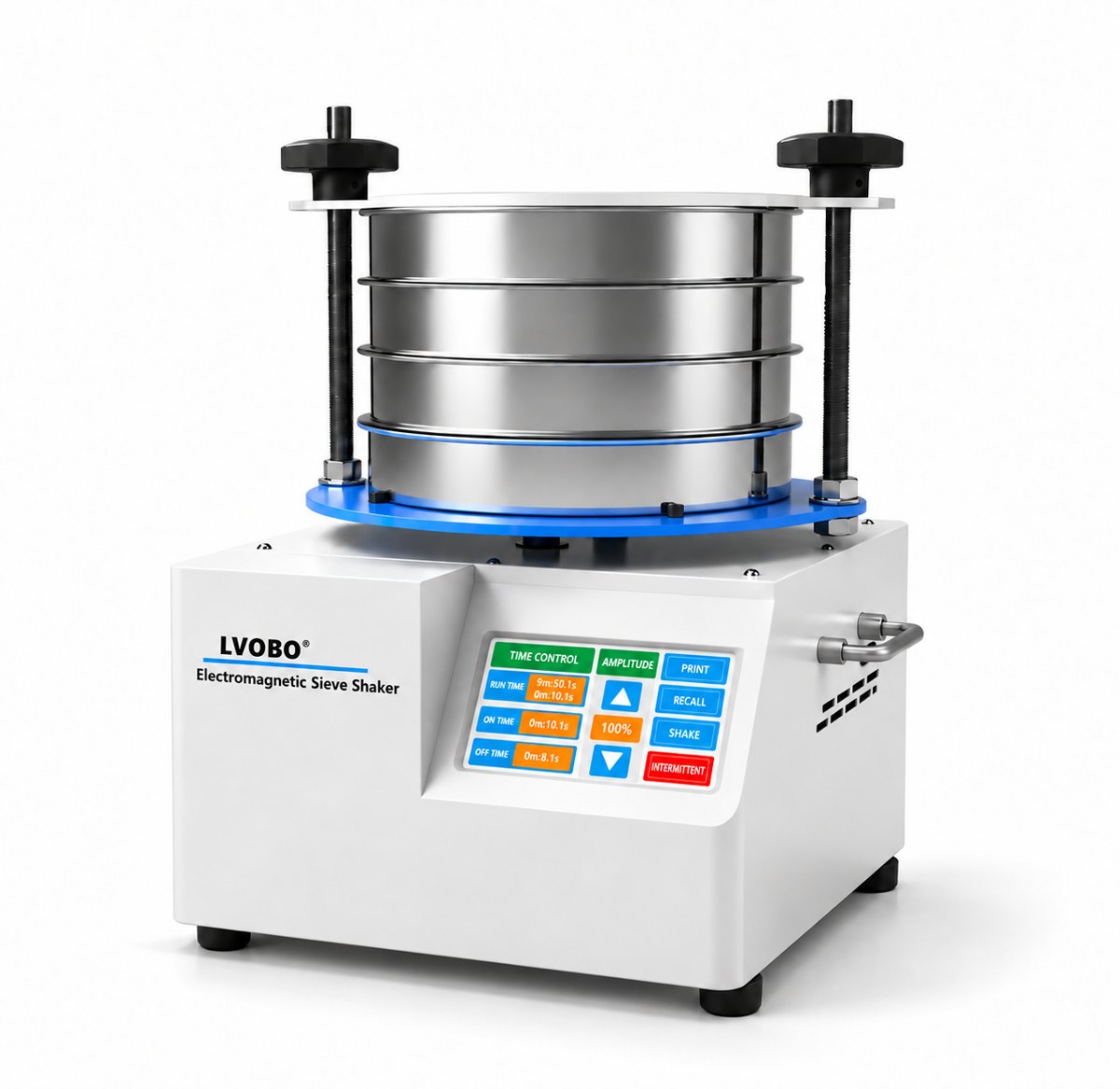
Mechanical sieve analysis introduces another important variable: electrostatic charge.
Fine particles may adhere to:
the sieve mesh;
the sieve frame;
other particles;
container surfaces.
This can make an electrostatic problem look like a particle-size problem.
If fine powder remains above the sieve, the immediate conclusion may be that those particles are larger than the sieve opening.
That conclusion is not always valid.
Some particles may have dimensions that allow them to pass through the opening but remain on the sieve because of static attraction or agglomeration.
Increasing vibration intensity does not necessarily correct this condition.
It may increase particle movement without eliminating the underlying electrostatic interaction.
For laboratory sieve analysis, visible adhesion to the sieve mesh or frame should therefore be treated as a warning that the retained fraction may include more than genuinely oversized particles.
This is especially relevant when testing fine polymer powders, pharmaceutical materials, chemical powders, and other materials prone to electrostatic charging.
Wet sieving is often considered when dry testing is affected by agglomeration, static electricity, or mesh blockage.
But wet sieving is not simply dry sieving with liquid added.
The liquid becomes part of the test method.
A suitable liquid may:
improve particle dispersion;
reduce electrostatic effects;
help transport fine particles through the sieve;
reduce persistent mesh blockage.
At the same time, the liquid may also affect the sample.
Particles can dissolve, swell, soften, react chemically, or undergo changes in surface behavior. Dispersing agents may introduce additional effects.
For this reason, wet-sieving results should not automatically be treated as interchangeable with dry-sieving results.
A controlled wet-sieving method should define:
the liquid medium;
sample preparation;
use of dispersing agents;
rinsing procedure;
drainage conditions;
test duration;
endpoint criteria.
The purpose of wet sieving is not simply to force more material through the sieve.
The laboratory should first determine whether high sieve residue during dry testing represents genuinely oversized material or poor particle dispersion.
Sieving duration is another source of variation.
Consider two laboratories testing the same powder with the same nominal sieve aperture.
One laboratory runs the sieve shaker for five minutes.
The other runs it for fifteen minutes.
If particles are still passing through the mesh between minute five and minute fifteen, the two laboratories are not performing equivalent tests.
Longer sieving can provide particles with more opportunities to:
reach an available sieve opening;
change orientation;
separate from weak agglomerates;
move away from accumulated material on the sieve surface.
For some powders, the retained mass therefore continues to change as the test proceeds.
This is why instructions such as “sieve until it looks finished” are unsuitable for comparative quality control.
When sieve analysis is used for batch release, supplier acceptance, or laboratory comparison, the test duration or endpoint should be defined as part of the method.
The objective is not simply to reduce the amount of material remaining on the sieve.
The objective is to obtain a result that can be reproduced under the same conditions.
Another common source of confusion occurs when sieve analysis is compared directly with laser diffraction or image analysis.
All three methods may report particle dimensions in micrometers, but they do not determine particle size in the same way.
Mechanical sieve analysis effectively asks:
Can this particle pass through a defined opening under specified mechanical conditions?
Laser diffraction evaluates how a population of particles scatters light and calculates an equivalent particle size distribution using an optical model.
Dynamic image analysis evaluates projected particle images and can provide information about both particle size and shape.
These measurement principles become especially important for irregular particles.
Consider a needle-shaped particle.
Its width may be small enough to pass through a sieve opening when the particle approaches at a favorable orientation, while its length may be considerably larger.
Image analysis may describe the length and width separately.
Laser diffraction may report an equivalent spherical diameter.
Mechanical sieving determines whether the particle physically passes through the aperture under the selected motion conditions.
Each result can be valid within its own method.
The problem begins when results from different measurement principles are treated as though they represent exactly the same physical quantity.
Particle shape becomes particularly important for plate-like, needle-shaped, elongated, or fibrous materials.
For near-spherical particles, the relationship between particle size and sieve aperture is relatively straightforward.
For irregular particles, passage also depends on orientation.
A long particle may remain above a sieve when lying flat but pass through the same opening after rotating into a more favorable orientation.
The motion generated by the sieve shaker can therefore influence the probability of passage.
This means that two laboratories using the same test sieve may still obtain different retained fractions if their equipment generates different particle motion.
For quality-control applications, the sieve aperture alone should not always be considered a complete description of the test method.
The mechanical motion, test time, sample loading, and operating procedure can also affect comparability.
When two particle size reports disagree, instrument failure should not automatically be the first explanation considered.
The laboratories should first determine whether they actually performed equivalent tests.
Before comparing numerical results, check:
Sample Source
Was the sample collected from the same batch and using a comparable sampling procedure?
Sample Condition
Were moisture level, storage conditions, and handling history comparable?
Sample Preparation
Was the powder dried, mixed, divided, or otherwise prepared in the same way?
Agglomeration and Dispersion
Was the powder tested in the same physical state?
Measurement Method
Were both laboratories using mechanical sieving, laser diffraction, image analysis, or another method?
Wet or Dry Conditions
Was the same testing environment used?
Sample Quantity
Was the amount of material introduced into the test comparable?
Test Duration
Was the same sieving or dispersion time used?
Endpoint Criteria
Did both laboratories use the same rule to determine when the test was complete?
If these conditions differ, the reported particle size values may not be directly comparable even when both laboratories operate their equipment correctly.
The same principle should guide equipment procurement.
A laboratory sieve shaker should not be selected first and then used to define the test method afterward.
A more defensible sequence is:
Understand the powder behavior → Define the quality-control objective → Select the test method → Establish the test conditions → Select equipment capable of repeating that method
For free-flowing materials, conventional dry sieve analysis may be straightforward.
For powders affected by static electricity or agglomeration, laboratories may need to reconsider sample preparation or determine whether wet sieving is more appropriate.
For irregular particles, the mechanical motion of the sieve shaker may become more important.
For very fine powders or applications requiring detailed particle size distributions, another analytical method may be more appropriate than mechanical sieving alone.
The objective is not to make one instrument perform every powder-characterization task.
It is to use each method where its measurement principle provides useful and reproducible information.
Particle size data are useful only when the conditions behind the data are understood.
Agglomeration, dispersion, electrostatic charge, wetting, mechanical motion, test duration, particle orientation, and measurement principle can all influence the reported result.
For procurement, R&D, and quality-control teams, reliable comparison therefore requires more than matching the unit “μm” on two reports.
It requires matching the sample condition, test method, and operating procedure behind those numbers.
When those conditions are controlled, particle size data become more useful for:
batch comparison;
supplier qualification;
incoming quality control;
process development;
laboratory comparison;
material acceptance decisions.
 3rd Floor, Building 8, Licheng Science and Technology Innovation Center, No. 188 Taixin Street, Licheng District, Quanzhou City, Fujian Province, China
 Tel : +86 -13788824251
 Email : lvobo2026@gmail.com
 WhatsApp : +86 -13788824251


Our hours
Monday - Saturday: 8:00 AM - 6:00 PM
 IPv6 Network Supported