English
 English
 Español
 Tiếng Việt



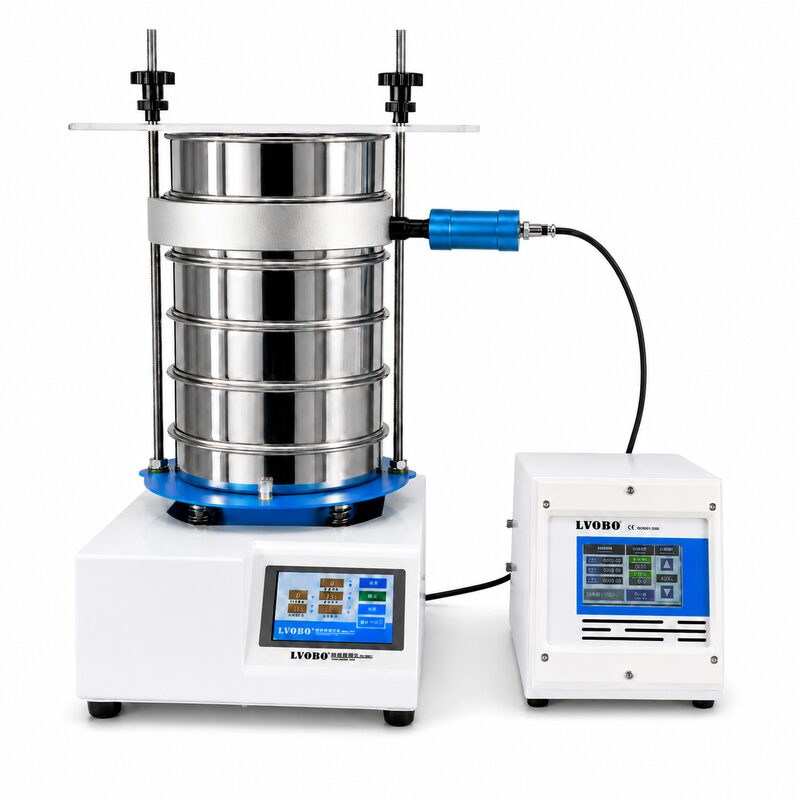
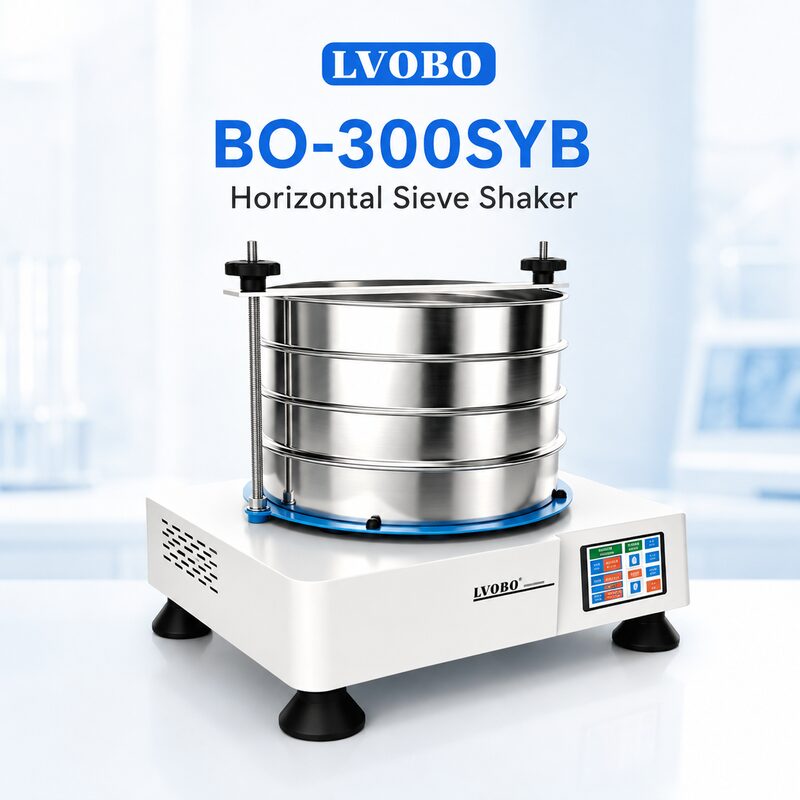
During a recent laboratory sieving test, we noticed that a fine powder was not spreading evenly across the sieve surface.
Part of the material gradually accumulated in certain areas, which reduced the effective screening area and slowed the passage of fine particles.
The first reaction might be to increase the vibration intensity.
But stronger vibration does not always improve the result. In some cases, it can make the material move too quickly, gather near the edge, or follow an unsuitable movement path.
Instead, we adjusted the combination of horizontal and vertical vibration.
After several changes, the powder distribution became noticeably more uniform across the sieve surface.
This was a useful reminder that sieving efficiency is influenced not only by vibration strength, but also by how the material moves.
Different powders can behave very differently depending on particle size, shape, density, moisture, flowability, electrostatic effects, and agglomeration.
When a material is difficult to sieve, sometimes the better question is not:
“Is the vibration strong enough?”
but:
“Is the material moving in the right way?”
 3rd Floor, Building 8, Licheng Science and Technology Innovation Center, No. 188 Taixin Street, Licheng District, Quanzhou City, Fujian Province, China
 Tel : +86 -13788824251
 Email : lvobo2026@gmail.com,Ivobo2088@gmail.com
 WhatsApp : +86 -13788824251


Our hours
Monday - Saturday: 8:00 AM - 6:00 PM
 IPv6 Network Supported